
Skip to content
Open 24/7Free inspection
Call now (703) 555-0179

Basement flooding in DC and NoVA

Flooded basement cleanup in Washington, DC

Storm seepage, a failed sump pump or a backed-up drain can put a lower level under water. We help you clear it and dry it.

(703) 555-0179 Call now
  • Water removal and cleanup for finished and unfinished
  • Help finding where the water entered
  • Clear notes to share with your insurer
Free damage assessment
What kind of damage?

Is water still coming in?

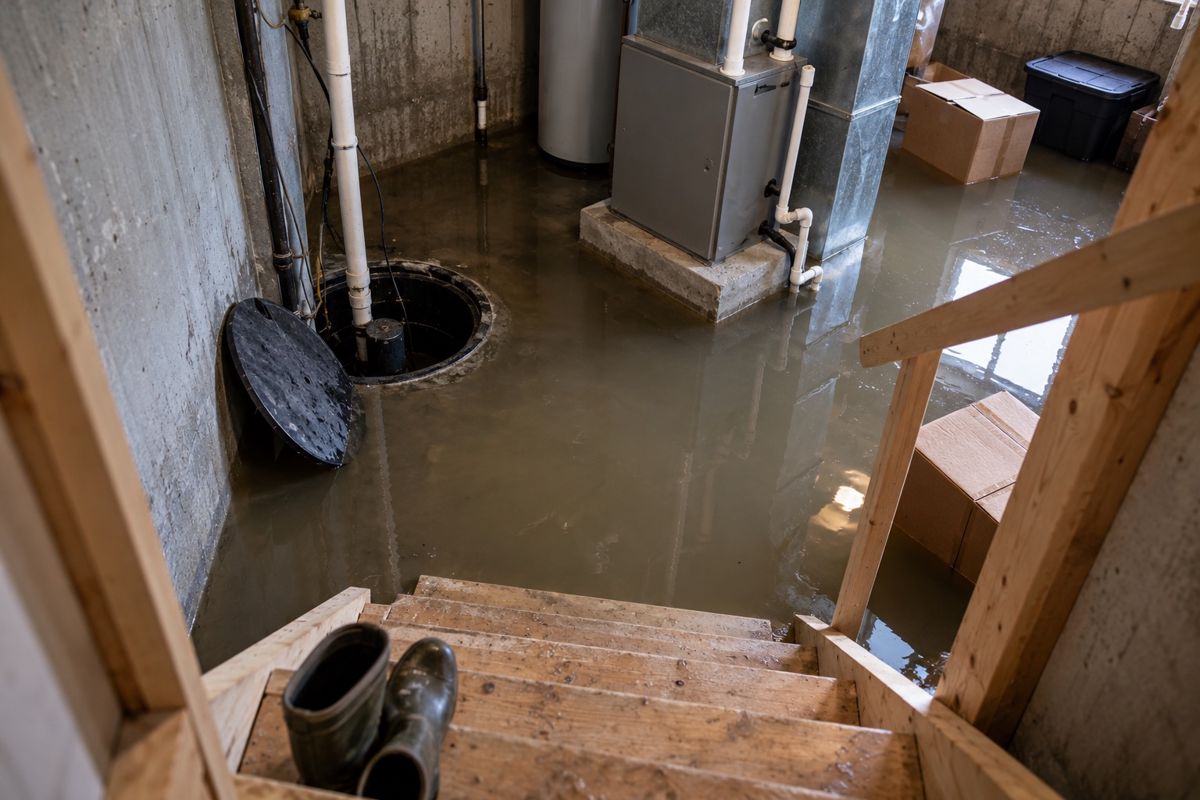
Narrow basement stairs leading into a flooded rowhouse basement

What does flooded basement cleanup involve?

Flooded basement cleanup is the process of removing water from a lower level, taking out what cannot be saved, cleaning and sanitizing the space and drying the structure. It often combines several services in one visit. First comes water extraction. Then wet carpet, padding, lower drywall and soaked insulation are removed. After that, floors, concrete and framing are cleaned, and structural drying begins.

Basement flooding carries extra risks. Water may touch the furnace, water heater, electrical panel or laundry equipment. The water may be groundwater, storm runoff or something worse. Before anyone works in the space, a crew checks for electrical hazards and figures out what kind of water it is.

Why do basements flood in Washington, DC rowhouses and homes?

Many District rowhouses and older homes have full basements built long before modern waterproofing. Foundation walls of brick or old concrete can seep during heavy rain, and floor drains can back up. Some basement units, often called English basements, sit partly below the street, which leaves little margin when water rises outside.

The area also gets intense summer thunderstorms and the remnants of tropical storms. Gutters, downspouts and yard grading that send water toward the foundation make seepage worse. In some older neighborhoods, the public sewer system is a combined system that carries both storm water and sewage, and heavy rain can cause backups. That varies by street, so ask your utility if you are unsure.

Sump pumps help, but they fail. Power loss during a storm, a stuck float switch or a pump that is simply worn out can all let water in.

What should I do if a sump pump fails or the basement floods?

Stay safe first. Do not enter a flooded basement if the water is near outlets, if the panel is down there or if you smell gas. Call the utility or emergency services if there is any danger.

  • Turn off power to the basement at the breaker only if you can reach the panel without standing in water.
  • Take photos and video of the water level, the sump pit and damaged items.
  • Do not run the furnace or water heater if they were touched by water.
  • Move small valuables and papers to higher ground.
  • Check whether the water looks or smells like sewage. If it does, see sewage backup cleanup before you touch anything.

Then call us and your insurer. Policies often treat storm seepage, sump pump failure and sewer backup differently, so ask which events yours covers.

A quote depends on what we find after we see the space. These factors matter most.

  • Water depth and the time it sat. Deeper, longer-standing water means more removal and more damage.
  • Finished or unfinished. A finished basement with carpet, drywall, cabinets and a bathroom has more to remove and dry.
  • Water type. Groundwater and rainwater are not the same as sewage.
  • Contents. Storage boxes, furniture and electronics may need sorting or removal.
  • Access. Narrow rowhouse stairs and a lack of a rear entrance make the work slower.
  • Fixing the cause. Cleanup does not replace repairing a pump, drain or foundation leak.

We put the scope and price in writing before we begin.

How long does it take and what happens on the day?

Water removal often takes a few hours, and drying usually takes several days. A finished basement with a lot of material to remove will take longer.

On the first visit, the crew checks safety, removes the water and takes out wet materials. They may haul debris through a front entrance or narrow stair, so expect some disruption. They then clean the area and set up drying equipment.

Afterward, ask a plumber or waterproofing contractor to look at the source. A dry basement can flood again if the cause is not fixed. If you are in a condo or an HOA, let your manager know, particularly if the water may have come from a shared pipe or drain.

Not sure whether you need help? Call us. Read more on our home page about how we work.

How it works

1

Call for help

Tell us what happened and whether water is still coming in.

2

Crew arrives

We stop the source, extract water and set up drying.

3

Restored

Documentation for your insurer at every step.

What you can expect

  • Open 24/7

  • Free inspection

  • Insurance claim help

  • Certified

Request basement flooding

Tell us what you need and we call you back.

No obligation.

What kind of damage?

Is water still coming in?

Questions about water damage restoration in Washington

Is flood damage in a basement covered by homeowners insurance?

Often not by a standard policy. Many policies exclude flood and groundwater, and sewer or drain backup often needs an added endorsement. Sudden pipe failures are more likely to be covered. Policies differ a great deal, so call your insurer, describe what happened and ask what applies. Keep all photos and records.

Is it safe to go into a flooded basement?

Not until you know the electricity is safe. Water and live power are a dangerous mix. If the panel or outlets are in or near the water, stay out and call a qualified electrician or the utility. Water may also be contaminated, which is another reason to wait for protective gear and professional help.

Can I save my carpet and furniture?

Sometimes. Carpet and padding that were soaked by clean water can occasionally be dried if the job starts quickly, but padding is often removed. Items soaked by sewage or floodwater are usually discarded. Solid wood furniture and some hard goods can often be cleaned and dried. We tell you what we think is salvageable and why.

How do I stop my basement from flooding again?

Start with the basics: clean gutters, extend downspouts away from the house and check that the ground slopes away from the walls. Test your sump pump each season and consider a battery backup. If water keeps coming in, ask a waterproofing or plumbing contractor to inspect. Cleanup alone does not fix the cause.

How soon does mold start after a basement flood?

In warm, humid conditions, mold can start on wet materials within a day or two. That is why quick drying matters. If wet drywall or carpet stays in place for days, the risk goes up. If you already see or smell mold, our mold remediation page explains the next steps.

Ready when you are. Call now or request a quote online.

Call now
Free damage assessment