Skip to content
Open 24/7Free inspection
Call now (703) 555-0179

Sewage and black water in DC

Sewage backup cleanup in Washington, DC

Sewage is a health risk. Keep people and pets away and call a crew that wears the right protective gear.

(703) 555-0179 Call now
  • Protective gear and containment for contaminated water
  • Removal of unsalvageable materials
  • Cleaning, sanitizing and drying in a clear plan
Free damage assessment
What kind of damage?

Is water still coming in?

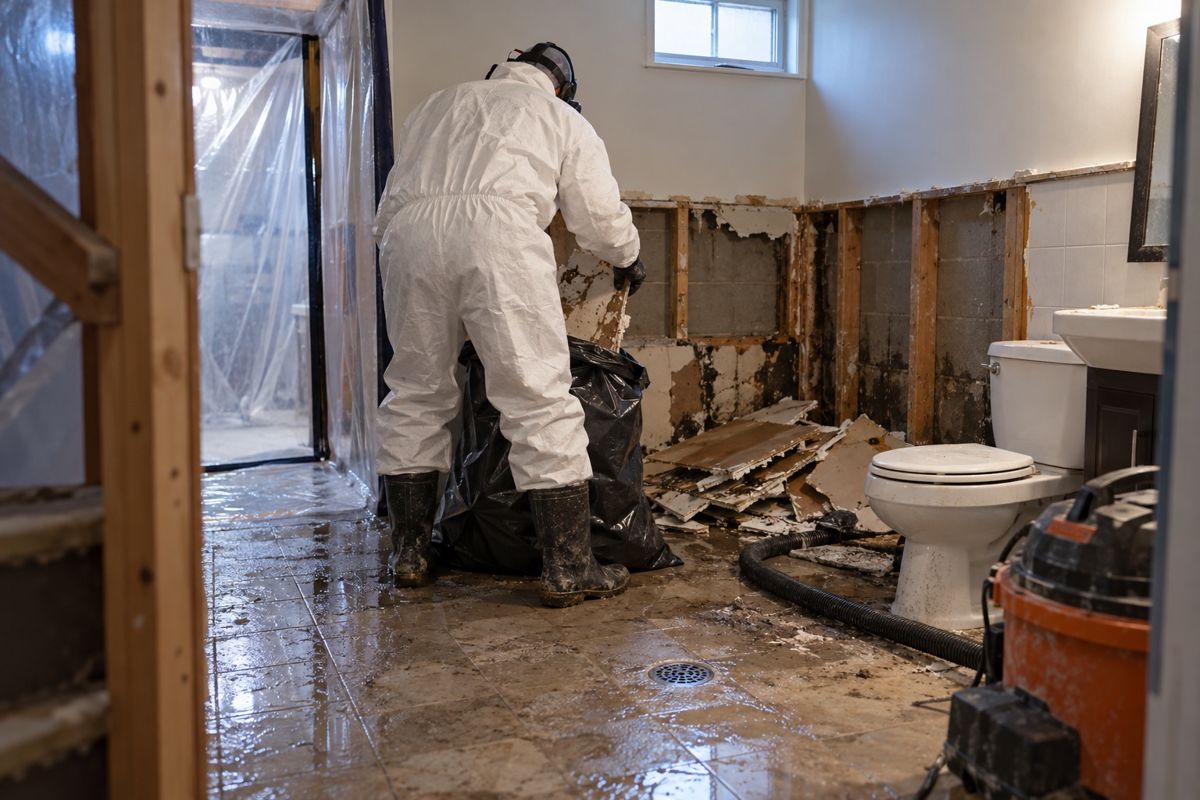
Worker in protective gear bagging wet drywall behind plastic sheeting

What counts as a sewage backup, and why is it different?

A sewage backup happens when wastewater flows back into a home through a toilet, a floor drain, a tub or a sink. This water is often called black water because it may carry bacteria, viruses and other contaminants. That makes it very different from a clean pipe leak.

Because of the health risk, cleanup follows stricter steps than normal water damage. Crews wear protective gear. They contain the affected area so contamination does not spread. Porous materials that touched the water, such as carpet, padding, insulation and drywall, are usually removed and thrown away. Hard surfaces are cleaned and sanitized. Then the structure is dried, which is covered in more detail under structural drying.

Do not try to clean it yourself with a mop and bleach. That spreads germs and leaves contamination in the materials.

What causes sewage backups in DC area homes?

The cause may be on your property or beyond it. Inside the home, a clogged drain line, grease, tree roots in an old lateral or a collapsed pipe can stop flow. Older homes often have clay or cast iron lines that crack or shift over time.

Beyond the property, a blockage in the street sewer can push wastewater up into the lowest drain in the house, usually in the basement. In some older parts of the District, the public sewer carries storm water and sewage together, and a heavy rain can overload it. That varies by street, and your water and sewer utility can tell you whether there is a known issue.

Ground-level and basement units, including English basements, are the most exposed because they sit lowest in the system. If water is also coming in from the walls or floor, see our page on flooded basement cleanup.

What should I do right now?

Keep it simple and keep everyone safe.

  • Keep children, pets and anyone with a health condition out of the area.
  • Stop using sinks, toilets, showers and the washing machine. More water into the system makes the backup worse.
  • Do not touch the water with bare skin. Do not run fans that spread contaminated air.
  • Turn off power to affected areas only if you can do so without stepping in the water.
  • Take photos and video from a safe spot, and note the time you first saw the backup.
  • Call your property manager if you live in a condo or rental, and call your insurer.

If the problem may be in the public line, contact your sewer utility. If it is in your own line, a plumber will need to clear or repair it. A restoration crew handles the cleanup, not the pipe.

This work costs more than a clean-water job because of the safety steps involved. A written quote depends on what we see, including these factors.

  • Area and depth. A small bathroom backup and a basement full of wastewater are not comparable.
  • Materials affected. Carpet, padding, drywall, insulation and cabinets may all need to be removed.
  • Time since the backup. The longer it sits, the more it spreads and the more odor it leaves.
  • Containment and disposal. Contaminated materials are bagged and removed with care.
  • Rebuild work. Cleanup is one cost, and replacing drywall and floors is another.

Insurance may treat sewer backup differently from other water damage, so ask about it early. We explain the scope in writing before we start.

How long does it take, and when should I call?

Removal and sanitizing often take one to two days for a typical area, and drying takes longer. Larger events take more time. The crew will explain a schedule after the walk-through.

On the day, expect protective sheeting, air scrubbing in some cases and a lot of material going out of the building. After removal, surfaces are cleaned and sanitized, and drying equipment is set up. Odors usually improve as contaminated materials leave and the structure dries. If odors remain, mold remediation and odor removal may be the next step.

Call as soon as you see sewage, smell it or notice slow drains in several fixtures at once. Early action keeps the damage smaller. You can also read about how our water damage restoration process works from start to finish.

How it works

  1. Call for help

    Tell us what happened and whether water is still coming in.

  2. Crew arrives

    We stop the source, extract water and set up drying.

  3. Restored

    Documentation for your insurer at every step.

  • Open 24/7
  • Free inspection
  • Insurance claim help
  • Certified

Request sewage cleanup

Tell us what you need and we call you back.

No obligation.

What kind of damage?

Is water still coming in?

Questions about water damage restoration in Washington

Is sewage water dangerous?

It can be. Sewage may contain bacteria, viruses and parasites that cause illness, and contact through skin, eyes or breathing in spray can be a risk. That is why children, pets and anyone with a weakened immune system should stay out. Professionals use protective equipment and containment. If you have been exposed and feel unwell, contact a doctor.

Does insurance cover sewer backup in DC?

It depends on your policy. Many standard homeowners and condo policies exclude sewer and drain backup unless you added coverage as an endorsement. Some include a limited amount. Check your policy and call your insurer right away. Photos, notes and a written scope from the cleanup crew all help with the claim.

Who is responsible for the sewer line, me or the city?

It depends on where the problem is. In general, the property owner is responsible for the line from the building out to the connection with the public main, while the utility handles the main itself. Rules and details vary, so contact your sewer utility and a plumber. A camera inspection can show where a blockage or break is.

Can the carpet or drywall be saved after sewage?

Usually not. Porous materials soaked in contaminated water are normally removed and discarded because they cannot be reliably cleaned. Hard surfaces such as concrete, tile and sealed wood can often be cleaned and sanitized. We tell you what we recommend removing and why, and we photograph it for your records.

Will the smell go away?

In most cases, yes, once contaminated materials are removed and the area is cleaned and dried. Odors can linger when moisture is still trapped in the structure or when mold has started. We check for both. If a smell remains after cleanup, tell us so we can look at the cause rather than mask it.

Ready when you are Call now or request a quote online. Call now Free damage assessment (703) 555-0179

Free damage assessment