Skip to content
Open 24/7Free inspection
Call now (703) 555-0179

Mold and odor help in DC and NoVA

Mold remediation in Washington, DC

Musty smells, dark spots and damp walls point to a moisture problem. Fixing the moisture is where the work starts.

(703) 555-0179 Call now
  • Containment so spores stay in the work area
  • Removal of affected materials and cleaning
  • Moisture checks to prevent regrowth
Free damage assessment
What kind of damage?

Is water still coming in?

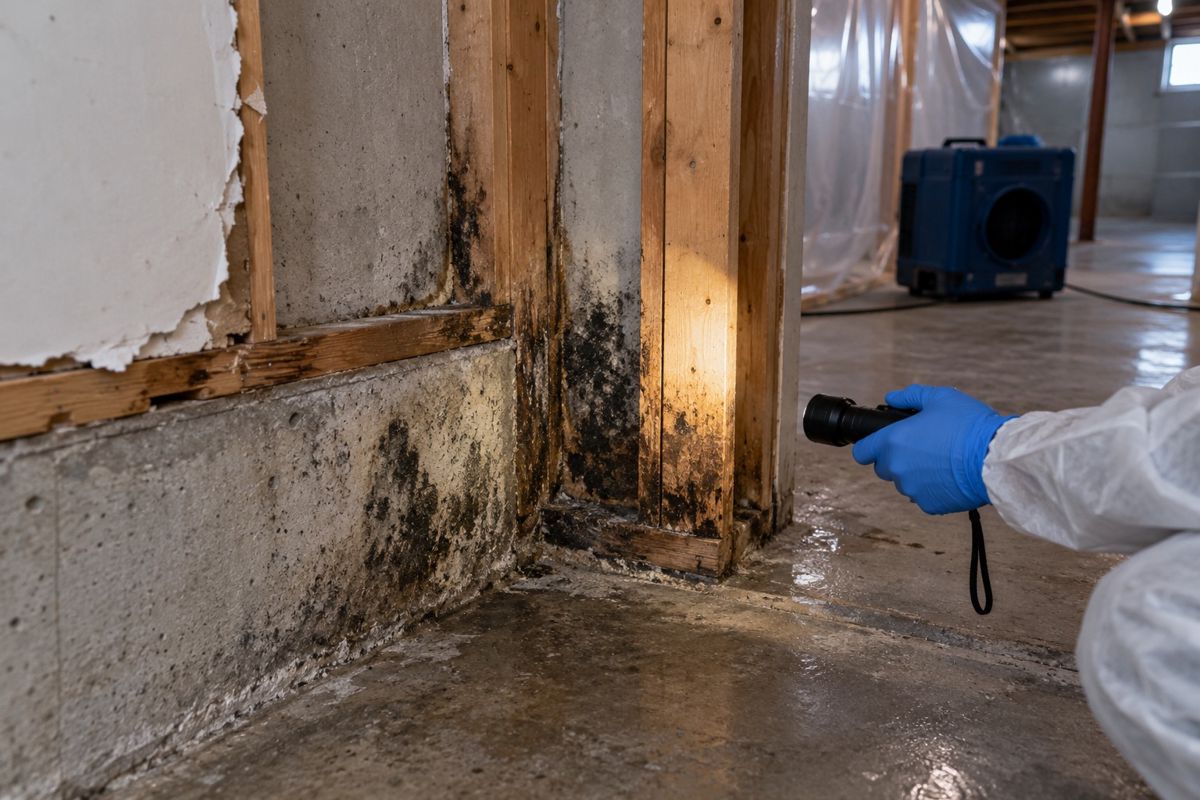
Mold staining on exposed wall studs behind removed drywall

What is mold remediation?

Mold remediation is the process of finding the moisture that feeds mold, isolating the affected area, removing or cleaning contaminated materials and making sure the space stays dry. The goal is not to make a building sterile. Mold spores exist indoors and outdoors everywhere. The goal is to remove active growth and fix the conditions that allow it.

A typical job starts with an inspection and moisture readings. The crew then seals off the work area with plastic barriers, sets up air filtration, removes materials that cannot be cleaned, such as soaked drywall or carpet padding, and cleans hard surfaces with HEPA vacuums and appropriate cleaners. Finally, the area is dried and checked. Without that last step, mold comes back.

Why does mold show up in DC area homes?

Mold needs moisture, and the Washington climate provides plenty of it. Humid summers keep indoor air damp, especially in basements, closets and rooms with weak ventilation. Older rowhouses can have brick walls that wick moisture, leaky window wells, aging roof flashing and plumbing leaks inside walls.

Water events leave the biggest risk. General guidance is that wet materials should be dried within a day or two. If a flood, leak or sewage backup is not dried promptly, growth can start. That is why structural drying is the best protection. If a flood has already set in, see our page on flooded basement cleanup.

Condo and apartment buildings face another issue. A slow leak in a shared wall or from the unit above can feed mold in a place you cannot see until it becomes a smell or a stain.

What are the signs I need mold remediation?

You do not always see mold. Watch for these signs.

  • A musty or earthy smell that returns even after you clean.
  • Dark, fuzzy or spotted patches on walls, ceilings, baseboards or the back of furniture.
  • Peeling paint, bubbling wallpaper or stained drywall.
  • Water stains after a leak or storm.
  • Allergy-like symptoms that seem worse indoors. Many things cause these symptoms, so a doctor is the right person to ask about health concerns.

A small patch on a hard surface, such as a bathroom tile, can often be cleaned by the homeowner following public health guidance. Larger areas, growth on drywall or insulation, or any growth after sewage or flood water should be handled by a professional. Do not disturb it, and do not paint over it.

We give a written quote after we see the space. Here is what drives it.

  • Size of the affected area. A closet corner and a full basement ceiling are different jobs.
  • Materials. Growth on drywall and insulation usually means removal. Growth on framing can often be cleaned.
  • Hidden growth. Wall cavities may need to be opened to find the extent.
  • Containment needs. Air filtration and barriers add equipment and time.
  • The moisture source. Leaks, drains or humidity problems must be repaired, and that is often a separate trade.
  • Rebuilding. Replacing drywall and finishes is separate from remediation.

A small job can take a day or two. Larger jobs take several days. Drying and rechecking take extra time, and we plan for that.

What happens on the day, and when should I call?

The crew walks the area with you, checks moisture and confirms the plan. They set up containment and filtration, remove affected materials in sealed bags and clean the area. They will ask you to stay out of the work zone, and they may ask you to keep pets away too.

After removal, they dry and clean the area again and take a final moisture check. If you plan to rebuild, wait until readings are normal. For insurance, ask your insurer whether mold from the event is covered. Many policies limit it, and it often depends on how the water arrived.

Call when you smell mold, see growth or have had water that was not dried within a couple of days. If the cause was sewage, see sewage backup cleanup. You can also learn more about our water damage restoration services on the home page.

How it works

1

Call for help

Tell us what happened and whether water is still coming in.

2

Crew arrives

We stop the source, extract water and set up drying.

3

Restored

Documentation for your insurer at every step.

  • Open 24/7
  • Free inspection
  • Insurance claim help
  • Certified

Request mold remediation

Tell us what you need and we call you back.

No obligation.

What kind of damage?

Is water still coming in?

Questions about water damage restoration in Washington

Is mold in a home dangerous?

It can be a concern. Mold may trigger allergy or breathing symptoms in some people, and people with asthma, weak immune systems, infants and older adults are often more sensitive. Reactions vary a lot. If anyone in your home has health symptoms, speak with a doctor. For the building, the right answer is to find the moisture, remove the growth and dry the space.

Can I just clean mold with bleach?

On a small patch on a hard, non-porous surface, you can clean it following public health guidance. On porous materials like drywall, wood and carpet, mold roots into the material and bleach does not solve it. Cleaning also does not stop the moisture that caused it. Never mix bleach with other cleaners. For larger areas, a professional is the safer choice.

Do I need a mold test first?

Often you do not. If you can see or smell mold, testing may not change what needs to happen. Testing can help when growth is suspected but hidden, or when an insurer or a landlord asks for it. If you want testing, use an independent tester who does not also sell the cleanup, so the advice stays neutral.

Will insurance pay for mold remediation?

Sometimes. Many policies cover mold only when it comes from a covered event such as a sudden pipe burst, and they may cap the amount. Mold from long-term leaks or from neglected maintenance is often excluded. Read your policy and ask your insurer. Photos, moisture records and a written scope help.

How do I keep mold from coming back?

Control moisture. Fix leaks quickly, run bathroom and kitchen fans, keep gutters and downspouts clear and use a dehumidifier in damp basements during the summer. Aim to keep indoor humidity moderate. Check under sinks and around windows from time to time, and dry anything that gets wet within a day or two.

Ready when you are Call now or request a quote online. Call now Free damage assessment (703) 555-0179

Free damage assessment