Skip to content
Open 24/7Free inspection
Call now (703) 555-0179

Brick rowhouses and English basements

Water damage restoration in Capitol Hill, DC

Burst pipes, wet basements, sewer backups and mold in Capitol Hill rowhouses. Call or send a short form and we will confirm availability.

(703) 555-0179 Call now
  • Rowhouses, condos and single-family homes
  • Water removal, drying and cleanup in one plan
  • Written quote before work begins
Free damage assessment
What kind of damage?

Is water still coming in?

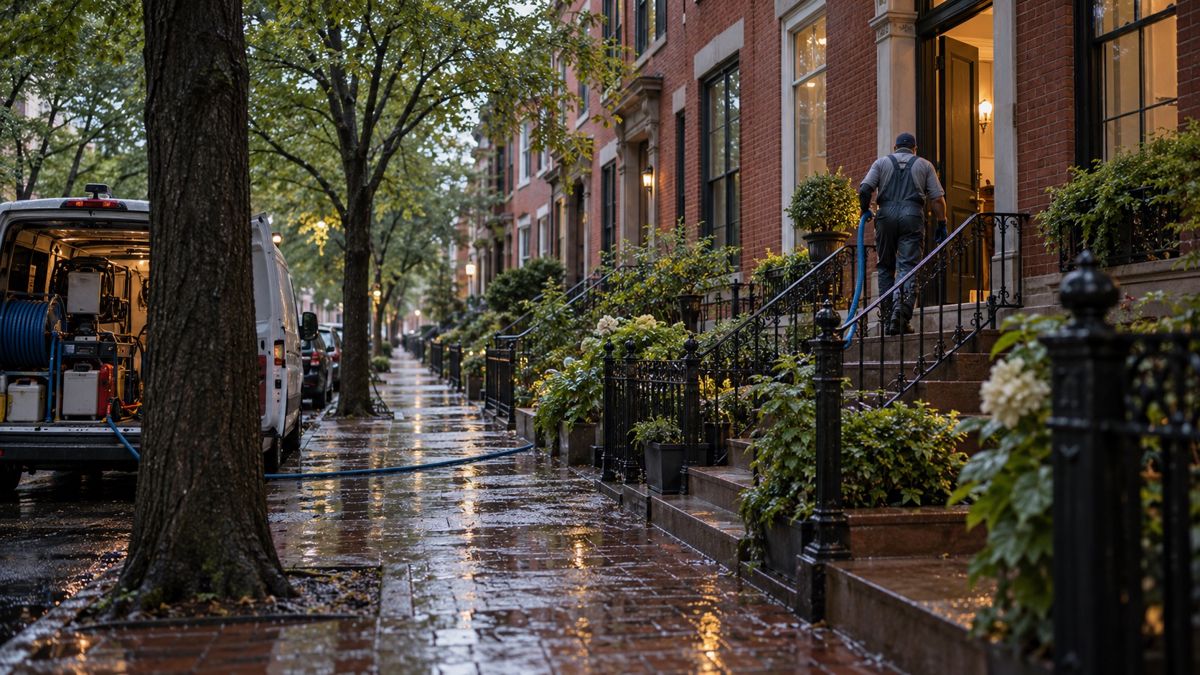
Brick DC rowhouses on a wet street after a summer storm

How water moves through a Capitol Hill rowhouse

Capitol Hill is a dense neighborhood of brick rowhouses, many built in the late nineteenth and early twentieth centuries. Houses share walls, and many have a lower level or English basement used as a rental or living space. A leak that starts on an upper floor can run down through joists, plaster and shared walls before anyone sees a stain.

Restoration here is rarely about one room. It is about following the water. We look at where it started, where it traveled and which materials absorbed it, because wet plaster, old subfloors and brick party walls can hold moisture long after the surface looks dry.

Narrow streets, alleys and permit parking

Working on the Hill means planning around tight conditions. Rowhouse stairs are steep and narrow, front doors open directly onto the sidewalk, and many blocks have limited parking. Hoses, pumps and drying equipment have to come through the house, sometimes from the alley side instead of the street.

Vehicles may need to stop in a loading position for a short time, and neighbors are close enough to hear every fan. We try to keep equipment tidy and walkways clear. If your block has restricted parking, tell us when you call so we can plan how to get to the door.
Water damage services for Capitol Hill homes

We serve Capitol Hill with all five water damage services on this site. In a rowhouse they often follow each other.

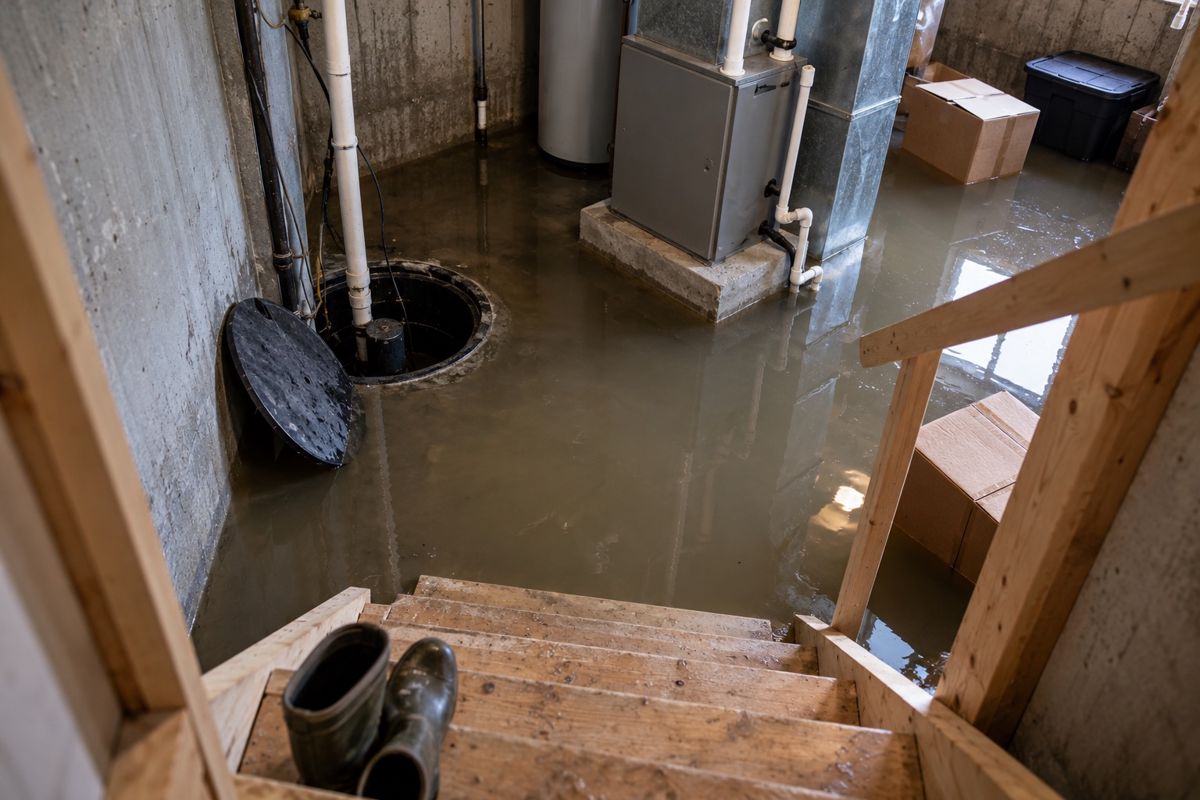
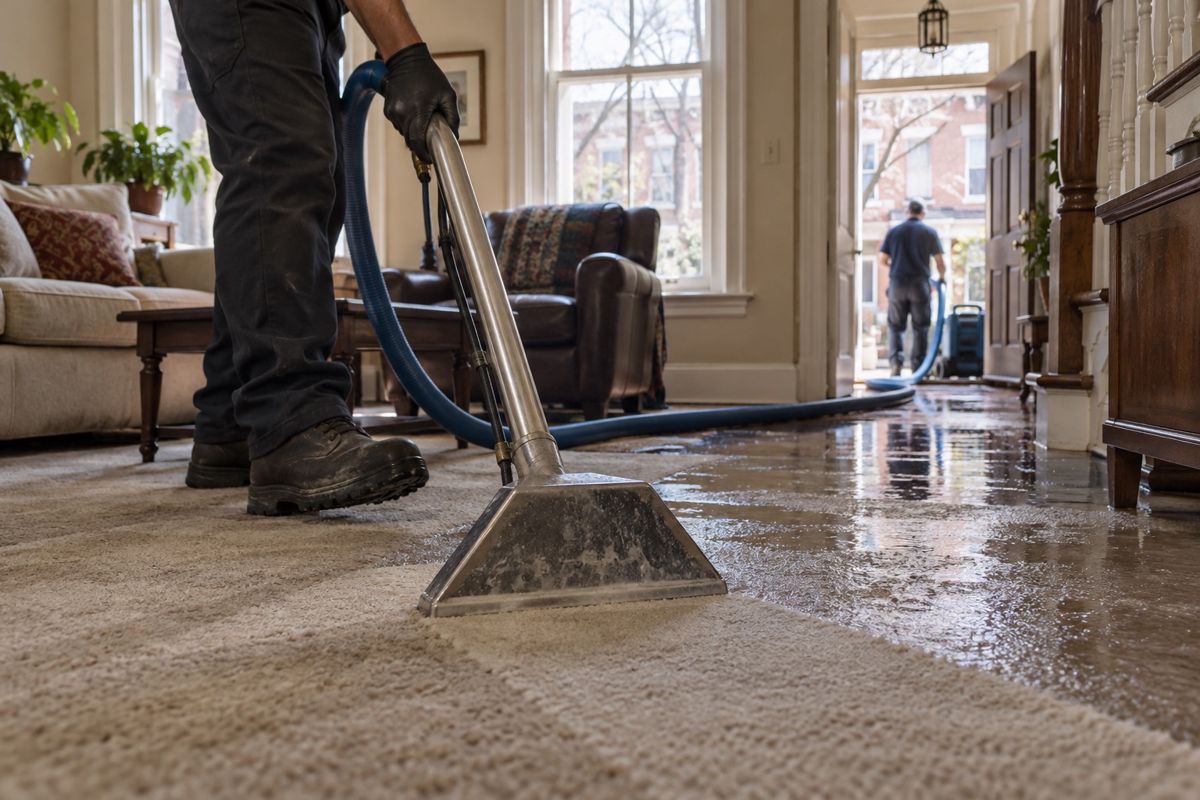
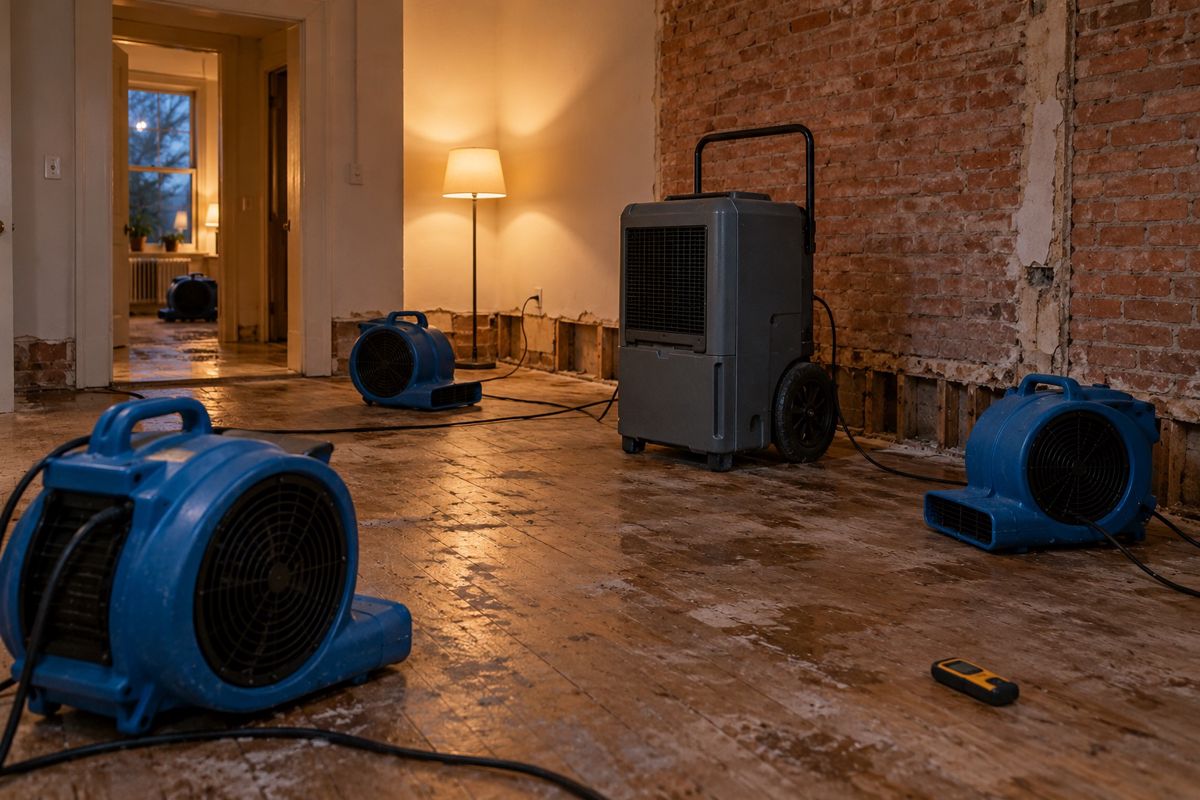
Most rowhouse jobs begin with water removal and then move to drying.

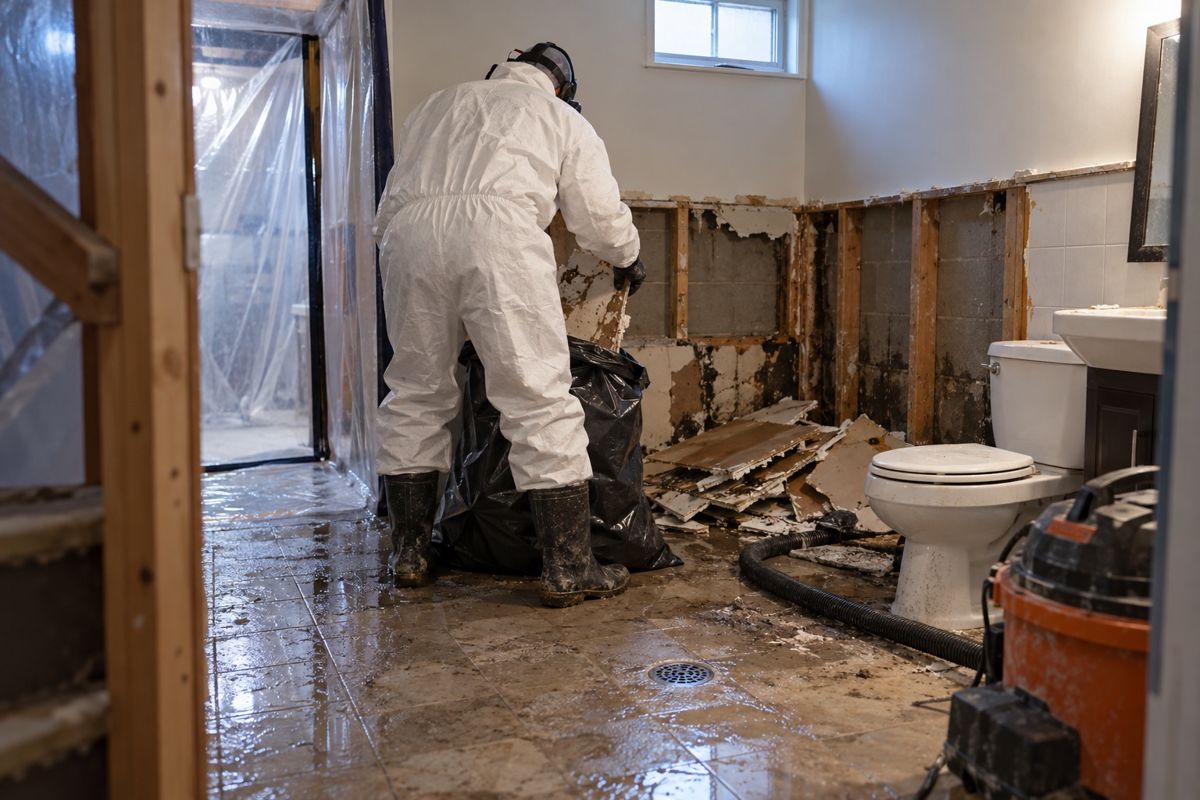
The age of the building matters. Plaster over lath dries slowly and may need to be opened in places. Original wood floors can cup if moisture sits under them. Brick is porous and can wick water upward from a wet basement.

Factors that change the scope:

  • Whether the water was clean, gray or from a sewer.
  • How many floors and how many adjoining walls got wet.
  • The finish level, such as period trim or hardwood.
  • Whether a neighbor's unit shares the damage.

We write the plan in steps so you can see what is needed now and what depends on moisture readings.

Historic rules, insurance and what to have ready

Much of Capitol Hill lies within a historic district. Rules mainly cover exteriors, but they can matter if repairs touch windows, doors or the front facade. Interior drying and cleanup are generally less restricted. Ask your agent or the historic preservation office if you are unsure.

If you want to file a claim, photograph the damage before anything is moved, keep damaged items until the adjuster sees them and note when you first noticed the problem. Sewer backup coverage is often an added endorsement, so read your policy or ask your insurer.

What happens when you request a quote

Use the form or call (703) 555-0179. We serve Capitol Hill, and your request is how we confirm availability for your block.

  1. Tell us what happened, when it started and where the water came from.
  2. If it is safe, shut off the water at the main and send a few photos.
  3. We ask questions and arrange a visit to measure moisture and see how far it spread.
  4. You receive a written scope for extraction, drying and any repair or cleanup.

If anything feels unsafe, such as water near outlets, stay out and call for help first.

Get a quote in Capitol Hill

Tell us what you need and we call you back.

No obligation.

What kind of damage?

Is water still coming in?

Questions about Capitol Hill

My upstairs neighbor's pipe leaked into my Capitol Hill rowhouse. What now?

Stop any active water source if you can, photograph everything and tell your landlord, your insurer and the neighbor. Water often travels between floors and along shared walls, so more may be wet than you can see. We can measure moisture and describe what we find, which helps when several parties are involved.

Can brick walls and plaster really be dried, or must they come out?

Often they can be dried in place, but not always. Plaster that stays soft, crumbles or has been wet for a long time may need removal. Brick can release moisture slowly, so we check it with a meter and monitor over several days. We open walls only when readings show it is necessary.

Is my English basement likely to flood again?

It depends on drainage and the sewer line. In heavy rain, lower levels can see seepage or drain backups, particularly where older combined sewers serve the street. We cannot predict storms, but we can point out signs such as stained walls, damp corners and failing pumps that suggest the unit is vulnerable.

Will my wood floors survive a leak?

Sometimes. Quick extraction and drying give wood a better chance, because boards swell and cup as moisture is absorbed. Old floors with finish gaps take water in faster. We use meters to check the boards and subfloor and tell you whether drying is likely to work or if replacement is the realistic route.

Do I need to leave my home during drying?

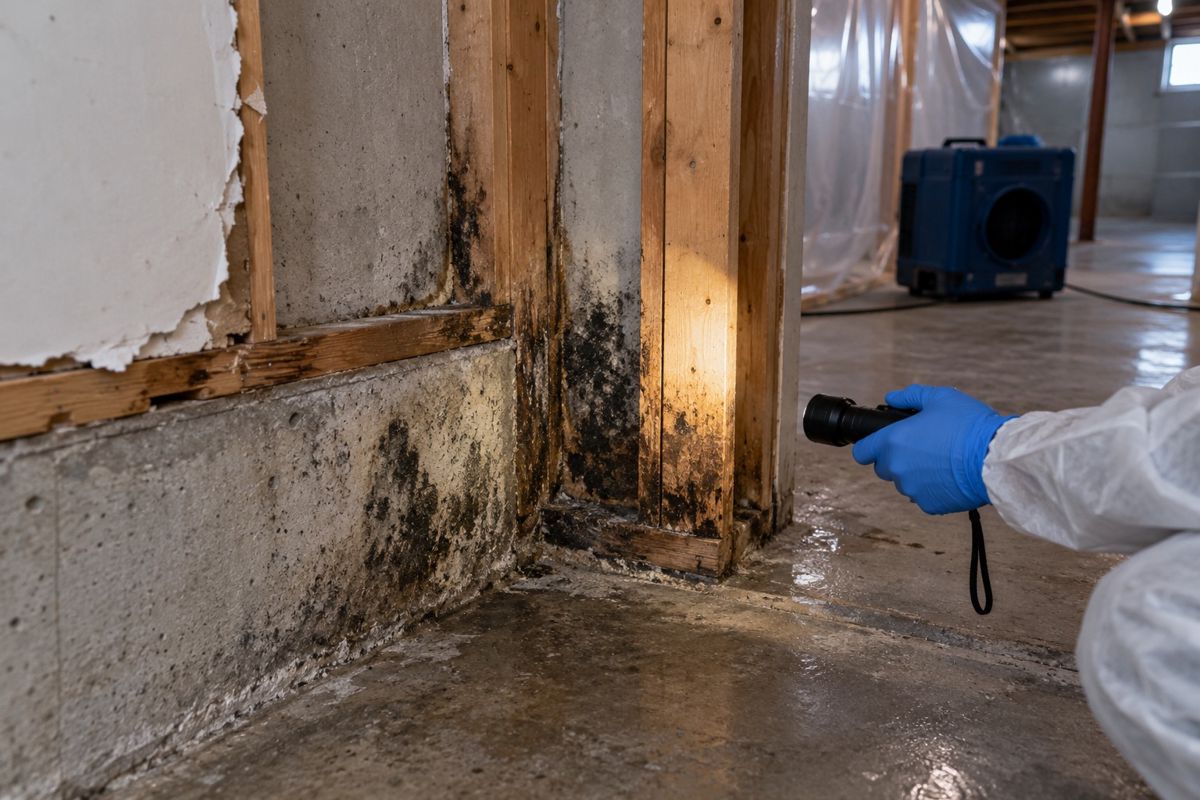
Not always, but the equipment is noisy and warm, and some areas may be off limits. If sewage or mold is involved, we may advise staying elsewhere until cleaning is done. Children, older adults and anyone with breathing problems should be considered when you decide, and we explain the risks plainly.

Ready when you are Call now or request a quote online. Call now Free damage assessment (703) 555-0179